MODEL
PROMPT
ASPECT RATIO
VIDEO LENGTH
4s10s15s
RESOLUTION
AUDIO OUTPUT

Generate the final video with synced audio when the selected model supports it.

Total Credits
550 Credits

Examples

Preview the kinds of prompts and outputs this tool flow is designed for.
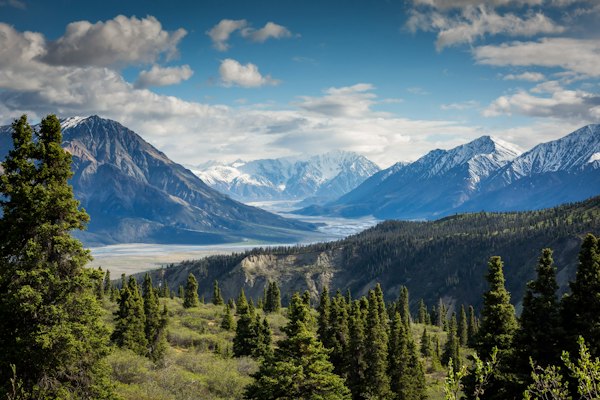
Cinematic Mountain Scene

Cinematic Mountain Scene

A majestic mountain range at golden hour, camera slowly flying through valleys

Urban City Timelapse

Urban City Timelapse

New York City timelapse at night, cars leaving light trails, buildings glowing

Ocean Sunset

Ocean Sunset

Calm ocean waves at sunset, camera slowly zooming out, peaceful atmosphere

Features

  • Prompt-only workflow with no image or video upload required
  • 10 leading AI video models for different motion, style, and speed profiles
  • Model-aware controls for duration, aspect ratio, quality, and mode
  • Generate synced audio on supported models
  • Fast way to test ideas, storyboards, ad concepts, and cinematic scenes

Tool Positioning

Text to Video is the prompt-first route for turning ideas into motion without any source media. It is ideal for fast concept validation, ad hook ideation, and narrative previsualization where language quality drives output quality.

Capabilities and Workflows

  • Prompt-only generation with no image or video upload dependency.
  • Model-aware controls for duration, aspect ratio, quality, and optional audio on supported models.
  • Supports ten leading AI video models in one interface for side-by-side creative routing.

Seedance 2.0

Use for quality-first prompt generation and longer controlled sequences.

Veo 3.1

Use for compact short-form clips and fast campaign hook testing.

Strengths

  • Fastest path from script idea to visual proof-of-concept.
  • No source asset constraint, which lowers creative startup friction.
  • Works well with structured prompt frameworks for repeatable output.

Limitations

  • Output consistency depends heavily on prompt clarity and token discipline.
  • Without visual anchors, style drift may increase in complex multi-subject scenes.

Use Cases and Output Traits

Ideal Use Cases

  • Ad copy to video hook generation for paid social.
  • Storyboard concept drafts before production approval.
  • Narrative pacing tests for short-form storytelling.

Output Characteristics

  • Best performance when prompts define subject, camera move, lighting, and pace explicitly.
  • Model choice creates distinct motion texture, realism level, and credit profile.

Related Comparisons

Image to Video

Choose Text to Video when you have strong language intent but no fixed visual reference.

Reference to Video

Move to Reference to Video when identity, motion rhythm, or style consistency must follow source references.

FAQ

How do I write better text-to-video prompts?

Use a fixed order: subject, environment, camera movement, lighting style, and pacing. Change one variable per iteration.

When should I switch to image-based workflows?

Switch when visual identity must stay consistent or when prompt-only outputs show recurring style drift.

Can I use this for commercial ad creatives?

Yes. Most teams run low-cost draft batches first, then rerender shortlisted prompts with higher-quality models.

Related Links and Search Intent

  • best text to video prompt structure
  • text to video model comparison
Text to Video - Prompt-Driven AI Video Generation | seedance-2pro